Welcome to 2026

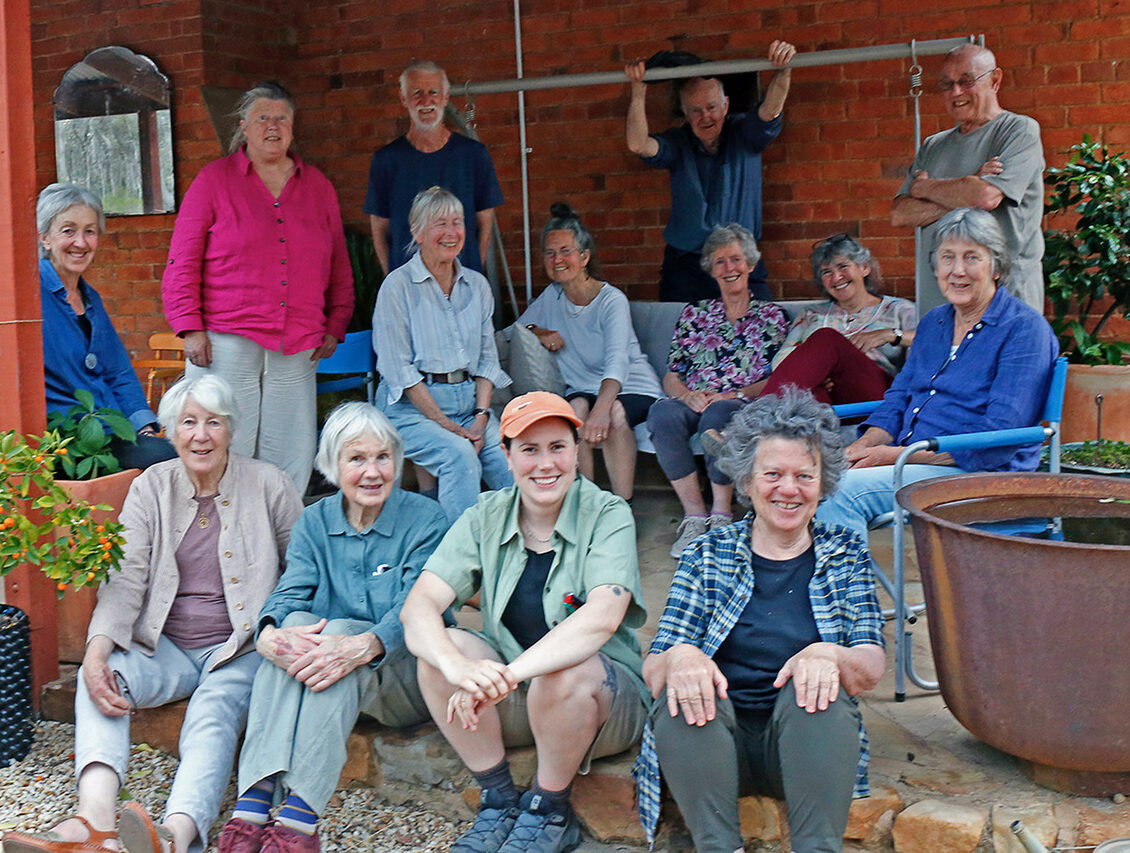
The end of year social gathering was well attended and thanks again to Bronwyn Silver for hosting the event.

This month, members received a newsletter and request to update membership subscription in the mail. If you are not a member and would like to join FOBIF, complete this membership form.

The walks  program is available now with the first walk of the year commencing on Sunday March 15.  

Posted in News, Walks | Leave a comment

Ravenswood-Harcourt bushfire – appeals and fundraisers

Our hearts go out to all of those affected by the Ravenswood-Harcourt bushfire. Over 50 homes were lost and there was widespread property damage, impacts to businesses and traumatic experience for many in the community.

Our thoughts also extend to all the plants and animals impacted, including the many animals killed and injured and the loss of ancient trees, logs and precious habitat. We still don’t know the full extent of the fire up at Leanganook (Mount Alexander), but most of the mountain was burnt. There will likely be some serious impacts to habitat and threatened species such as the Southern Shepherd’s Purse, a plant species found nowhere else on Earth.

Trust for Nature (TfN) have started an appeal to raise funds for conservation properties across Victoria affected by the fires. Every dollar raised will go directly to Trust for Nature covenantors and Land for Wildlife members via small grants to restore their properties for conservation: https://trustfornature.org.au/campaign/bushfire-support/

While the recovery effort will be long and multifaceted, one immediate need is food for injured and starving native animals. A local group has been started to purchase and deliver food for wildlife to landholders in the fire zone where wildlife is gathering looking for food, or near the fire zone where wildlife numbers have increased as they roam outside their usual grounds seeking food. To get access to free food for wildlife, text Sarah on: 0474 735 678.

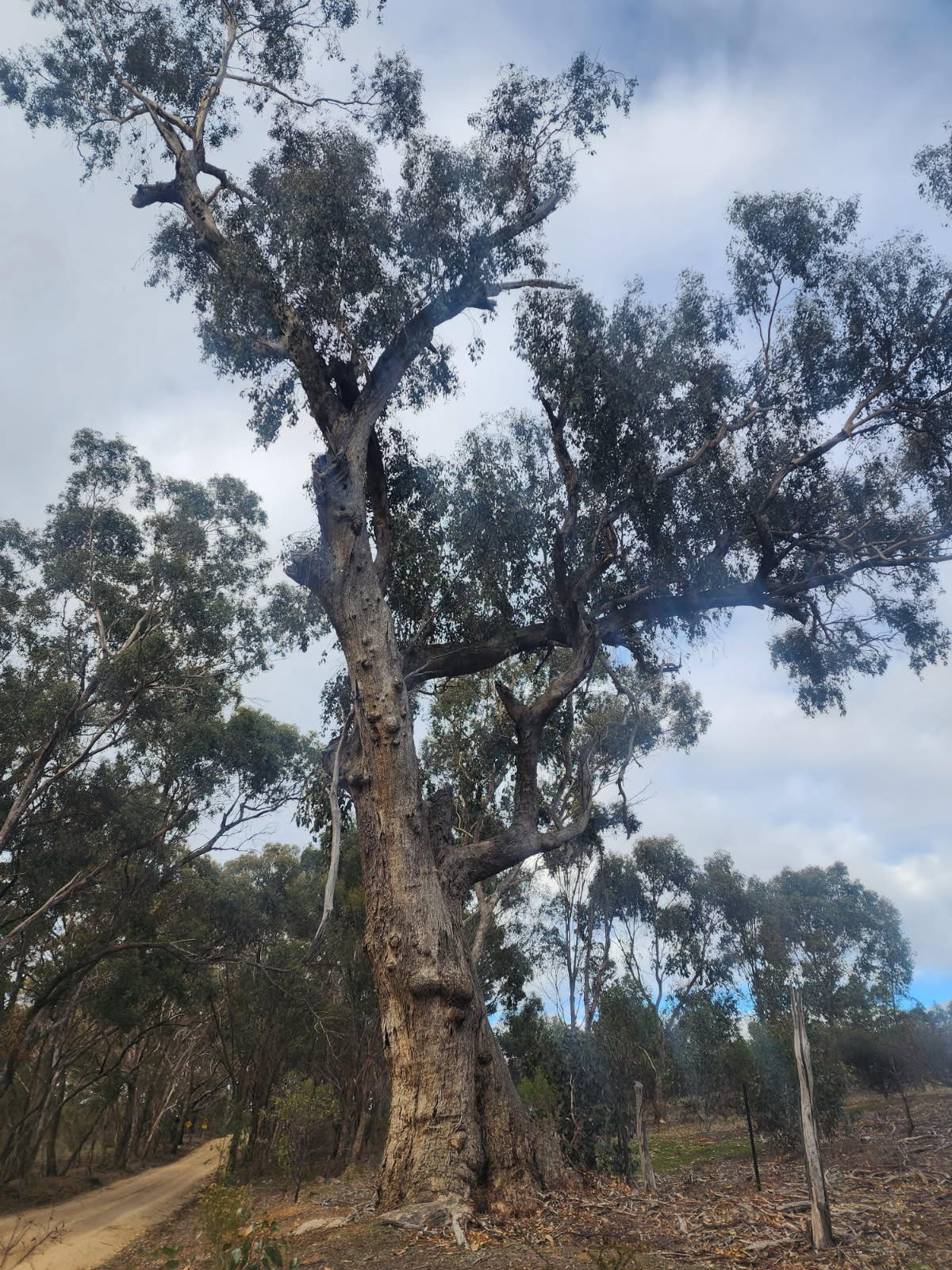
Sadly, this ancient White Box on Gaaschs Road, which was likely well over 300 years old, did not survive the fires.


Posted in News | Leave a comment

Local legends of the central west – Karl Just

Victorian National Parks Association have just released a film about FOBIF committee member Karl Just, ‘Karl chats about his lifelong connection to the forests of the central west and how they have shaped his work, his passion and his understanding of this remarkable landscape.’ 

You can watch it here https://www.youtube.com/watch?v=WcqJK_GrcH0

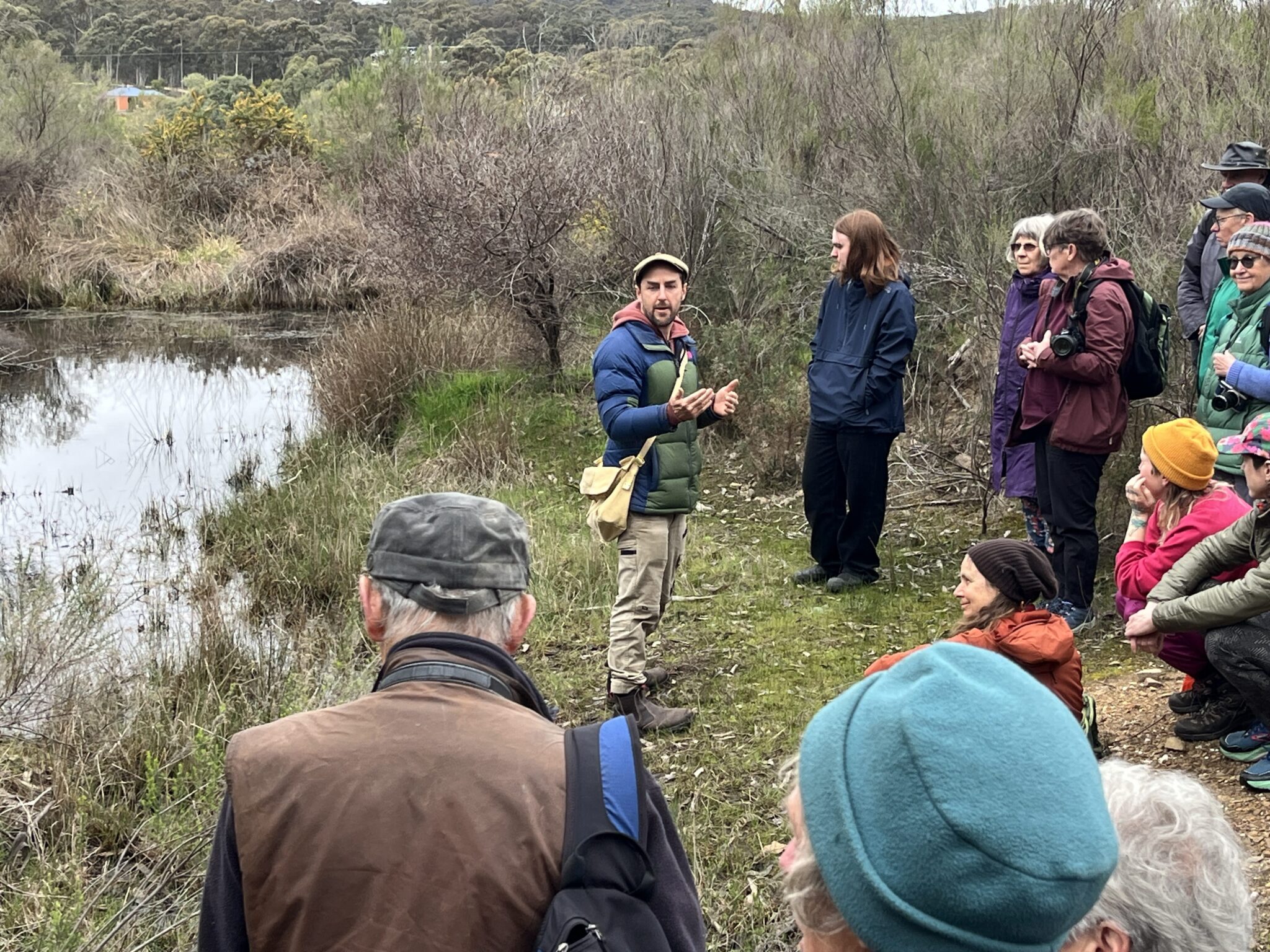
Karl leading FOBIF’s September walk in Kalimna Park

Posted in Fire Management, News | Comments Off on Local legends of the central west – Karl Just

Next Monday, FOBIF breakup at Walmer

All welcome

Friends of the Box-Ironbark Forests is having a BBQ at Bronwyn Silver’s place in Walmer on Monday 8 December.

It starts at 6 pm and the address is 1036 Muckleford-Walmer Road, Walmer.

BYO
*  food to share, including something for the BBQ if you like
*  plates, glasses, cutlery
*  drinks
*  a chair

All FOBIF members and supporters are welcome. Enquires Bronwyn: 0448 751 111.

2021 Fobif breakup

Posted in News | Comments Off on Next Monday, FOBIF breakup at Walmer

Is That Burn Really Necessary? Your Practical Guide to Protecting Local Forests

If you love your local forest, you’ve probably watched planned burns creep closer and wondered: are all of these really necessary?

Victoria’s 2025 Code of Practice for Bushfire Management on Public Land sets clear rules for how burns are planned and delivered. When you turn up with Code-based questions and ask to see the documents behind a burn, you can influence what happens on the ground.

 The Fuel Paradox

Research in Australian eucalypt forests shows ‘fuel’ can regrow remarkably fast after burns. In some forest types, ‘fuels’ have been measured at above pre-fire levels within 5 years. So, are we really reducing risk, or creating a cycle where vigorous regrowth demands more burning, which stimulates yet more regrowth?

Some ecosystems genuinely need fire, and some burns clearly reduce risk. The point is not to stop all burning, but to ask whether each proposed burn is necessary, and whether it’s planned in a way that protects both communities and forests.

 A Four-Part Checklist

When a burn is announced for your area and you have concerns, you can use this Code-based checklist to guide your questions and document requests.

  1. Check the Burn Is Really Needed
  • Ask for the Fuel Treatment Delivery Plan, in writing.
    Every planned burn should have one. It should spell out the burn area, objectives, conditions and safeguards, including specific actions to protect environmental values. If it isn’t ready to share, the burn isn’t ready to proceed.
  • Ask for an alternatives analysis.
    The Code recognises non-fire options such as slashing, mulching and fuel breaks. Don’t accept “standard practice” as the answer. Ask what options were considered and why fire was chosen over lower-impact tools.
  • Ask them to go beyond a single fuel score.
    The common field tool, Overall Fuel Hazard, is a quick visual look at fine fuels and how they affect fire behaviour. It’s useful for fire control, but it’s not a biodiversity assessment. Ask what ecological evidence they’ve used in addition to the fuel score.
  • Raise the modelling gap.
    The state’s own reports indicate that current risk models can’t fully count the benefits of many non-burn works (like slashing or debris removal), so those ‘invisible’ works may not appear in the numbers. Ask decision-makers to show how they’ve considered these unmodelled benefits and local knowledge, not just the model output.
  1. Check the Place Matches Its Zone

Victoria uses four main fire management zone types, each with a different purpose. Ask for the current zone map overlay for the exact burn footprint (DEECA maintains this spatial layer).

Request a clear map you can review, then test the fit:

  • Asset Protection (near towns and critical assets): Ask whether non-fire tools have been fully considered, especially where habitat at the edge is sensitive. The Code allows cooler, more targeted treatments here.
  • Bushfire Moderation: Ask how the burn balances moderating bushfire spread with the ecological fire needs of that vegetation type.
  • Landscape Management: Ask for clear ecological objectives, not just “reduce fuels”. This zone is meant to support ecological outcomes as well as risk reduction.
  • Planned Burn Exclusion: By definition, this zone is for non-burn works only. If part of the proposed burn falls in an exclusion area, point out the conflict and ask for the proposal to be changed.
  1. Confirm the Prerequisite Research Has Been Done

Values assessments are undertaken at each planning tier. That means identifying environmental and cultural values, the risks to them, and the measures to avoid or reduce harm (should be included in the Fuel Treatment Delivery Plan). Ask for:

  • A values assessment package, including: threatened species checks and known habitat features (eg hollow-bearing trees, large logs), and how waterways and catchments will be protected.
  • Ecological fire logic (in plain English): the current status against tolerable fire interval (how often this vegetation can be burned without long-term damage), the current growth-stage diversity (whether the landscape has a mix of young, middle-aged and old forest, or is dominated by one age class), and a clear justification for how the burn is expected to improve, not degrade, those metrics in this vegetation type.
  • Refuges and mosaic plan: maps showing refuge areas that will be deliberately left unburnt to protect plants and animals, and a description of ignition patterns designed to achieve patchiness rather than a uniform, high-intensity burn.
  1. If It Proceeds, How Will It Be Done?

If the burn goes ahead, focus on how it happens. Even a justified burn can be done well or badly. Use your questions to improve how it’s carried out. Ask for:

  • Cool, patchy conditions: a narrow weather window to protect soil, canopies and habitat trees, and a minimum proportion of unburnt pockets, to be mapped afterwards.
  • Cultural fire and joint monitoring: whether Traditional Owners are involved and how outcomes will be reported.
  • Public reporting and after-action review: a post-burn report against the delivery plan – risk and ecology – including updated maps of refuges that survived the fire. 

Your Meeting Kit

When you contact the agency or attend a consultation, these are useful documents to request up front:

  • Fuel Treatment Delivery Plan
  • Zone overlay for the exact footprint
  • Values assessment and refuge map

And here are three key questions to ask:

  1. What non-fire options were considered, and why were they rejected here?
  2. What environmental values have you identified in this burn area, and what specific measures will you use to protect them?
  3. What ecological evidence, beyond a visual fuel score, shows this burn will improve habitat condition?

If you can’t attend a meeting, email these questions and ask for written responses. Sign up for planned-burn notifications and explore the online program map so you can target your feedback. 

Why Your Questions Matter

The Code requires risk-based priorities, evidence-based decisions and consideration of alternatives. On the ground, hectare delivery can still create pressure to burn. Clear, Code-backed questions help shift practice toward kinder treatments near sensitive habitats, stronger ecological safeguards and burns that are necessary, not just routine. 

Start Today

  • This week: Check what burns are planned for your area via the state planned-burn map or call 136 186.
  • At the next consultation: Use this checklist, ask for the documents, and keep notes.
  • This month: Write to your MP asking how local burn programs meet the Code’s risk-based, evidence-driven requirements.

You don’t need to be an expert. You just need a few clear questions: Is this burn really necessary? What evidence supports it? Does it follow the Code?

Our forests deserve thoughtful management, not automatic burning programs. The Code provides the framework, and we can make sure it’s followed. Asking whether a burn is necessary isn’t opposing fire management, it’s insisting on good fire management.


Posted in Fire Management, News | Comments Off on Is That Burn Really Necessary? Your Practical Guide to Protecting Local Forests

Some scientists challenge logic of Victoria’s fuel reduction burns

FOBIF’s Karl Just was interviewed by the ABC, it makes very interesting reading https://www.abc.net.au/news/2025-10-20/scientists-challenge-fuel-load-burns-victoria/105666680

Posted in Fire Management, News | Comments Off on Some scientists challenge logic of Victoria’s fuel reduction burns

A fine December tradition; FOBIF breakup in Walmer

FOBIF breakup December 2019

Friends of the Box-Ironbark Forests is having a BBQ at Bronwyn Silver’s place in Walmer on Monday 8 December.

It starts at 6 pm and the address is 1036 Muckleford-Walmer Road, Walmer.

BYO
*  food to share, including something for the BBQ if you like
*  plates, glasses, cutlery
*  drinks
*  a chair

All FOBIF members and supporters are welcome. Enquires Bronwyn: 0448751111.

Posted in News | Comments Off on A fine December tradition; FOBIF breakup in Walmer

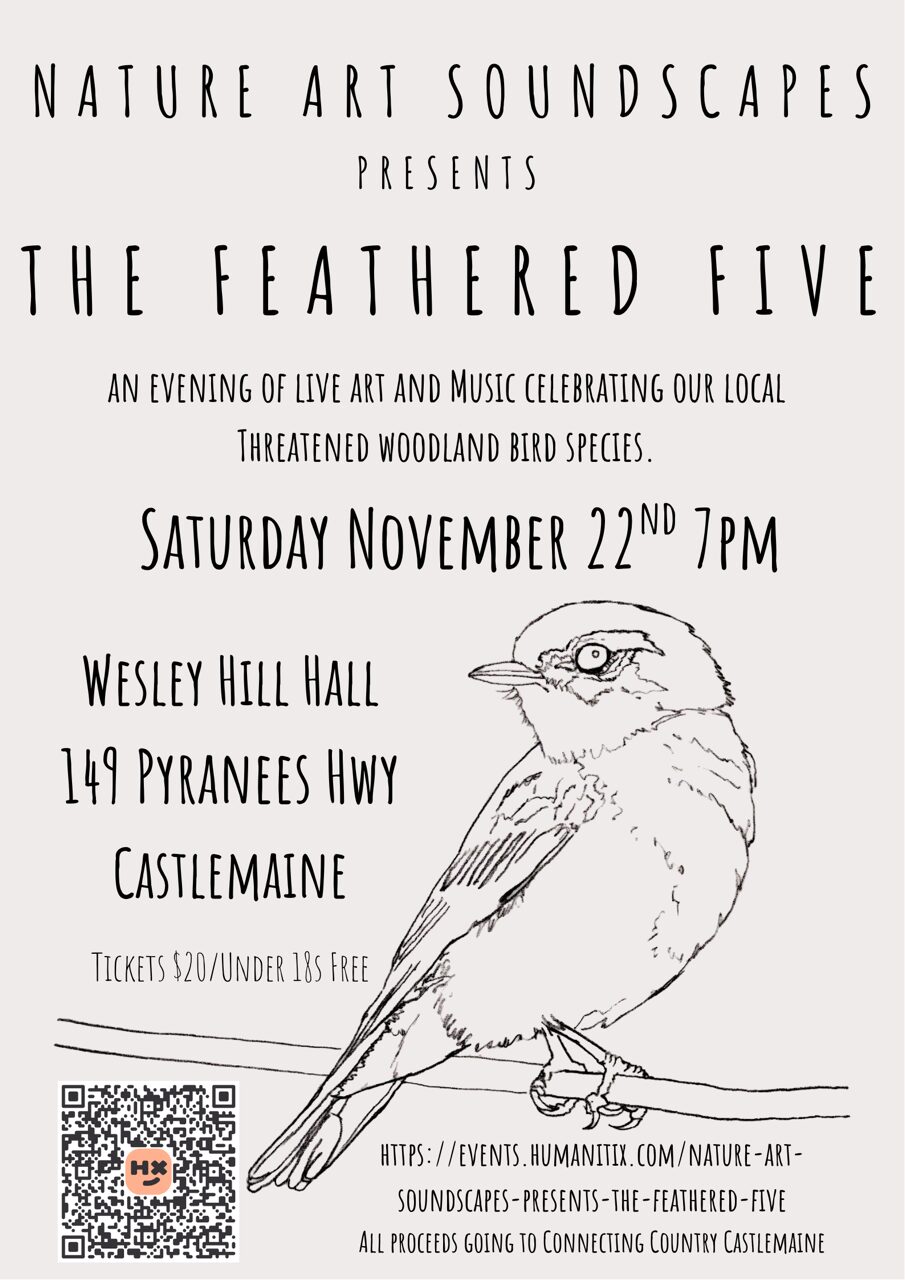
Fabulous feathered five fundraiser

https://events.humanitix.com/nature-art-soundscapes-presents-the-feathered-five

Posted in News | 1 Comment

A year of walks in review

Our regular Walks program continued this year with the familiar diversity and interesting foci that FOBIF walks are known for.

  • Euan Moore capably lead the final walk in 2024 near Crusoe Reservoir, Big Hill that gave us a great view back to Castlemaine.
  • After a long dry summer, the first walk this year in March, lead by Francis Cincotta, saw the bush soak up the cool air and gentle rain on a 5 km circuit at Fryers Ridge Nature Conservation reserve.
  • The Loddon River near Baringhup was the next walk with guest leader, Barry Golding, who shared local stories of geology, history and Indigenous culture. Thanks as well to the local farmers, Kerrie and Rob Jennings, who keenly supported the walk.
  • On a cold, windy May day in Maldon, we walked and gazed in wonder at pre-1852 eucalypts scattered through Maldon. Thanks, Bev Phillips of Maldon Urban Landcare, for sharing informative and interesting talks about these trees and the work done by this group to protect them.
  • With the arrival of winter, the annual FOBIF ‘Long Walk’ in June revealed some of the Leanganook’s hidden gems in thick winter mist, ably lead by Jeremy Holland. On the same day, an exploration of mosses in a gully in Chewton involved a lot of bending, creeping and crouching to get the right observations, guided by Cassia Read and Bernard Slattery.
  • In July, Stephen Charman, shared information from his extensive historical research, of a section of the Coliban Main Channel at Malmsbury. A snapshot of how water was moved around in this dry region dating back to gold rush era of the 1800’s.
  • Then in August, a misty, late winter mood descended on Mt Tarrengower for the walk off track that meandered up the north-western flank of the Mount. A diversity of flora and granite features were encountered, including some beautiful moss covered rock wells.
  • A feast of ecological delights in Kalimna Park were identified by Karl Just on the September walk. Lots of interest and appreciation of the biodiversity of this Park was apparent.
  • The final walk in October lead by Christine Henderson, occurred in the Fryers Ranges near Dearden Creek. Despite the dry conditions of this year, walkers were treated to some lovely displays of wildflowers and subtle signs of some orchids.

Thanks goes to Bronwyn Silver, for organising the 2025 walks program and for doing a thorough and well supported handover to our new walks coordinator, Gen Blades,  assisted by Lisa Hall.  The walks cannot occur without the support of the walk leaders who so generously share their expertise and knowledge

Many thanks to Gen and Lisa in facilitating the walks this year and to the various leaders for their care and attention to planning and executing very interesting and enjoyable walks.


Posted in News | Comments Off on A year of walks in review

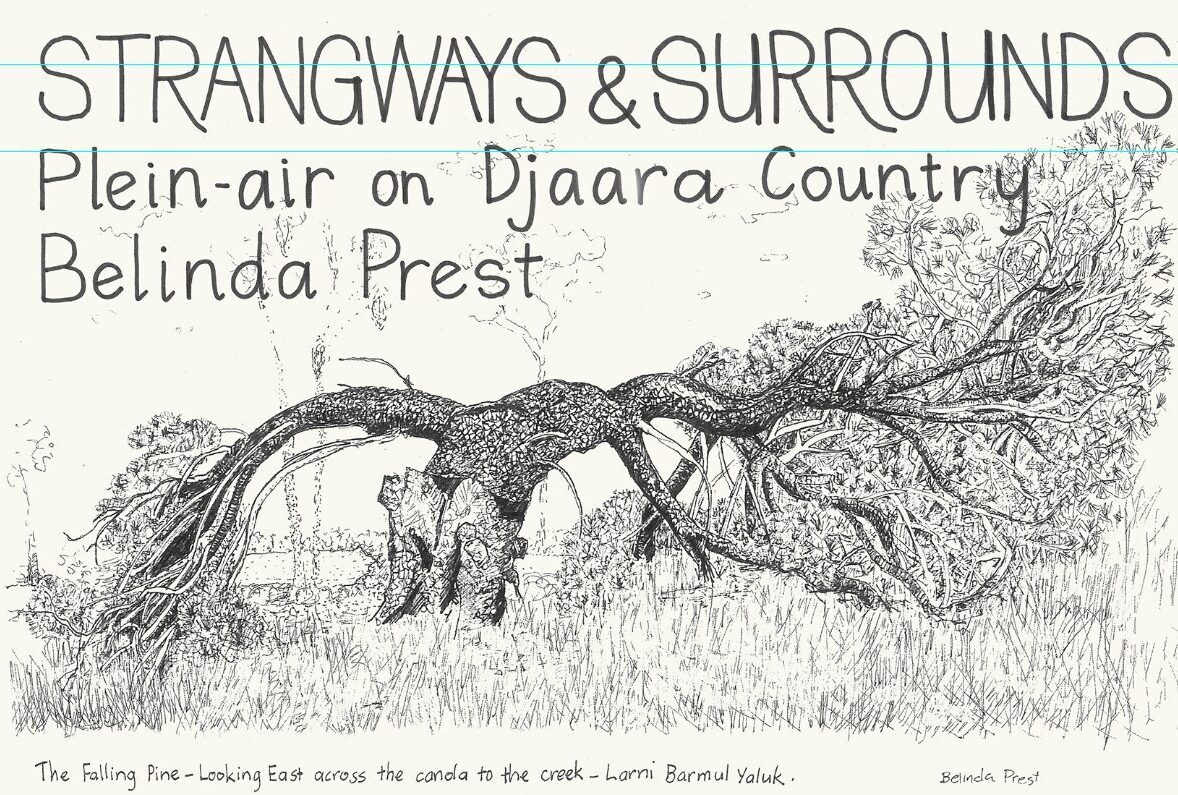
Strangways & Surrounds: Book launch 8 November 2025

Newstead Arts Hub is hosting the launch of Belinda Prest’s recently published book, Strangways & Surrounds: Plein-air on Djarra Country, on Saturday 8 November at 2pm with Professor Barry Golding, author of Six Peaks Speak. The book has more than sixty of Belinda’s drawings from her travels around her home in Strangways beginning in 2013.

In praise of Strangways & Surrounds:

‘Belinda’s detailed pen drawings pay homage to the stately and wizened old trees, powerful vistas and markers of human presence both humble and profound, that characterise the region.
Eve Lamb, The Local

‘Her drawings are both delicate and evocative and they bear witness to the particularities of a place in time.’
Julie Gittus, author

Belinda will be signing copies of the book at the launch. It is also available at Stonemans Bookshop in Castlemaine. Cost is $50.

Everyone is welcome and refreshments will be provided.

Posted in News | Comments Off on Strangways & Surrounds: Book launch 8 November 2025